


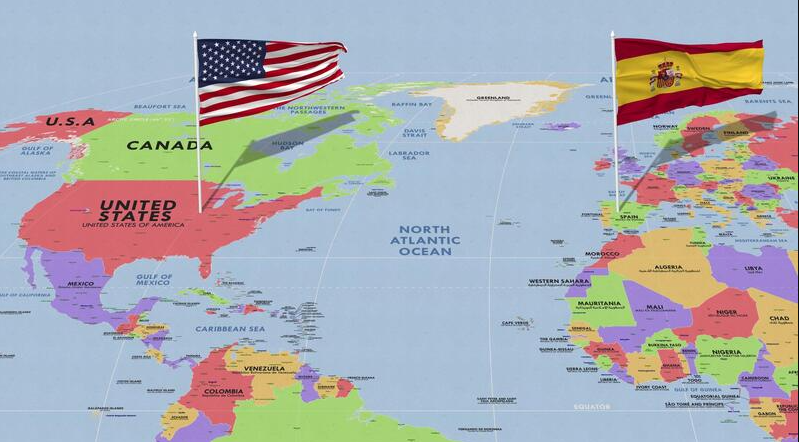
Tariffs — taxes placed on imported goods — may sound like a technical detail of global economics, but in reality they influence prices, industries, international relations, and even the everyday choices of consumers around the world.
Over the past century, the United States has played a decisive role in how tariffs evolve globally. And although Spain is not among the largest U.S. trading partners, several Spanish industries have felt the ripple effects of American tariff shifts.
This article explores the history, transformation, and global impact of U.S. tariffs — in a way that’s fully compliant with Quora’s content policies.
1. What Are Tariffs, and Why Does the U.S. Use Them?
Tariffs serve several functions in American economic policy:
1. Protecting domestic industries
Tariffs can reduce foreign competition and give local companies an advantage in price and supply stability.
2. Raising government revenue
Before income taxes, tariffs were one of the largest sources of federal revenue in the U.S.
3. Shaping international negotiations
Tariffs are often used as tools to influence trade partners during negotiations or disputes.
Even today, tariffs remain a major part of discussions around supply chains, national security, and global competitiveness.
2. A Historical Overview: From High Protection to Global Integration
U.S. tariff policy has shifted dramatically over time:
Late 19th – Early 20th Century: Very high tariffs
To protect its rapidly growing industries, the U.S. regularly imposed tariffs of 40–50% or more on many imported goods.
Post–World War II: The beginning of global tariff reduction
With the establishment of international institutions such as:
- GATT (General Agreement on Tariffs and Trade)
- WTO (World Trade Organization)
the U.S. helped shape a system aimed at lowering barriers and expanding global trade.
1990s–2000s: Free-trade era
Major agreements like NAFTA and cooperation with the European Union helped reduce average tariff levels to about 2–3% on many goods.
2018 onward: A return to selective tariff use
In recent years, tariffs gained renewed attention as tools for resolving trade disputes or influencing supply chain dependencies.
This affected Europe — including Spain — in specific sectors ranging from agriculture to industrial goods.
3. How Have U.S. Tariffs Affected Spain?
Spain has been touched by American tariff policy in several ways:
a) Agriculture and Food Products
Some of Spain’s most iconic products have been involved in tariff lists during trade disputes, such as:
- Olive oil
- Wine
- Table olives
- Pork products
- Cheese
Even small tariff changes can affect competitiveness in the U.S. market.
b) Fashion, Textiles, and Footwear
Spain’s strong fashion industry — fast fashion, luxury brands, and footwear — can be affected by tariff shifts that influence cost structures and import pricing.
c) Industrial Goods and Machinery
Many Spanish firms participate in European supply chains. Even if they do not export directly to the U.S., tariff changes affecting the EU can indirectly impact Spanish exporters.
d) Services and Tourism
While tariffs do not apply directly to services, tensions in global trade can influence:
- investment trends
- international confidence
- economic cooperation
Spain, with its strong tourism and financial services sectors, is sensitive to global trade patterns.
4. What Do U.S. Tariffs Mean for the Rest of the World?
Tariffs applied by the United States often have broad consequences:
a) Re-shaping global supply chains
Companies may relocate production lines or diversify suppliers when tariffs create cost imbalances.
b) Reciprocal tariff measures
Trade partners may respond with their own tariffs, creating cycles of negotiation and adjustment.
c) Higher global prices
When tariffs affect basic materials like aluminum, steel, or chemicals, global markets often feel the impact.
d) New trade alliances
Countries and regions may seek new agreements to reduce pressure from tariff changes.
Examples include deeper EU-Asia relationships or new Latin American trade initiatives.
5. Why Are Tariffs Changing Now?
Recent tariff adjustments often relate to new economic priorities:
1. National and economic security
Sectors like semiconductors, telecommunications, and energy technologies are considered strategically important.
2. Supply chain resilience
The U.S., like many countries, is encouraging domestic manufacturing of critical products.
3. Technological competition
Global competition in high-tech sectors influences tariff policy toward key industries.
4. Anti-dumping protections
Tariffs can address concerns about artificially low-priced imports affecting local industries.
6. What Does This Mean for Spain and Europe Going Forward?
Experts predict several trends:
a) Tariffs will continue to be used strategically
Especially in industries tied to national security or emerging technologies.
b) Europe will strengthen its own industrial base
Through initiatives such as the European Chips Act, clean energy programs, and innovation funding.
c) Spain may find new opportunities
Particularly in:
- renewable energy
- high-quality agriculture
- specialized manufacturing
- tourism linked to global economic stability
d) Transatlantic cooperation will remain crucial
Despite tariff-related tensions, the U.S. and the EU share strong economic ties and mutual interests.
Conclusion
U.S. tariffs are more than just economic instruments — they reflect shifts in global priorities, competitive dynamics, and international collaboration.
For Spain and the world, these tariff changes present both challenges and new opportunities.
Understanding the evolution of U.S. tariff policy helps countries, companies, and consumers anticipate how global trade will continue to change in the years ahead.